
 In the 16th and 17th centuries, harsh laws were in force against Catholics and, according to Statute 27 Elizabeth, 1585, it was high treason to be a Catholic priest and to celebrate Mass. Of course, there were many who abandoned Catholicism for the new, Established Religion. However, there were also many who clung steadfastly to their Catholic Faith. Those Catholics remained loyal to their Sovereign but, in matters of religion, would not accept the Supremacy of the Crown.
For those who kept the Old Faith this meant practising their religion covertly. Priests were needed to minister to the Catholics so seminaries were established in various places on the Continent to train English boys and men for the priesthood. Knowing the grave dangers they faced, they returned as priests to their homeland to tend to the needs of their persecuted countrymen.
The Popish Plot, also known as the Oates Plot, was no plot at all. It was the product of the fertile and evil imagination of a known criminal, the convicted perjurer, Titus Oates. In August 1678, Oates alleged that there was a Catholic plot, inspired and led by the Jesuits, to murder the King, Charles II. The objective of this so called plot was to re-establish Catholicism in the country by replacing the Protestant Charles with his Catholic brother, James, Duke of York. Hatred and mistrust of Catholics was rife and memories of plots such as the Gunpowder Plot were still fresh. So it was an easy thing for Oates, with the connivance of certain politicians, to spread panic and fear throughout the country. His calamitous deception cost the lives of many innocent people, including eight Jesuit priests. Thomas Whitbread was one.
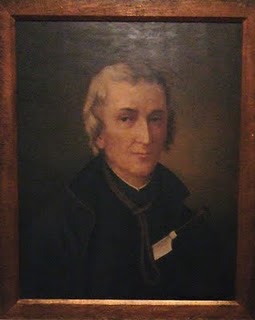
Thomas Whitbread was born in Essex in 1618. He studied at St Omer in Flanders and on 7th September 1635 he entered the Jesuit Novitiate. Ordained in 1645, Fr Thomas Whitbread (alias Thomas Harcourt) embarked upon the English Mission in 1647. In 1678, Fr Whitbread became the Jesuit Provincial and in this capacity he encountered Titus Oates at St Omer. Oates, after a very chequered and dubious past, had converted to Catholicism and applied to enter the Jesuits. Whitbread, exhibiting great perspicacity, refused him and had him expelled from the college. Titus Oates later declared that his conversion to Catholicism was feigned in order to infiltrate the Jesuits and learn their secrets! Oates returned to London where he met an old acquaintance, Israel Tonge. Tonge had long harboured hatred and suspicion of Catholics and, with his encouragement, Oates let loose the surge of persecution that enveloped the country.
Before dawn on 29th September 1678, Parliamentary soldiers, led by Oates, arrested Fr Whitbread and Fr Edward Mico. Both priests were suffering from plague and were too ill to be moved. By December Fr Mico had died but the Provincial was now well enough to be taken to Newgate Prison. Here he joined two other Jesuits, Frs William Ireland and John Fenwick. Fr Ireland and Fr Fenwick had been arrested by Oates the previous night.
On 17th December 1678, Fr Whitbread, Fr Ireland and Fr Fenwick were brought to trial at the Old Bailey. Fr Ireland was found guilty and sentenced to be hanged, drawn and quartered but the evidence against Fr Whitbread and Fr Fenwick was insufficient and they were remanded in prison.
Fr Whitbread again appeared at the Old Bailey on 13th June 1679. Lord Chief Justice Scroggs presided and Titus Oates and other criminals, liars and lowlife, were the witnesses for the prosecution. Scroggs ordered the jury to find the defendant guilty, which, needless to say, they did. The punishment for High Treason was to be hanged, drawn and quartered. At Tyburn, the 61 year old Jesuit suffered this barbarous execution on Friday, 20th June 1679. Before he was hanged, Fr Whitbread affirmed his innocence, forgave those whose lies had condemned him and then prayed silently until the cart was pulled away. Although Fr Whitbread’s body was cut down and quartered, some loyal and brave friends claimed his remains and buried them in the churchyard of St Giles in the Fields.
Thomas Whitbread was born in Essex in 1618. He studied at St Omer in Flanders and on 7th September 1635 he entered the Jesuit Novitiate. Ordained in 1645, Fr Thomas Whitbread (alias Thomas Harcourt) embarked upon the English Mission in 1647. In 1678, Fr Whitbread became the Jesuit Provincial and in this capacity he encountered Titus Oates at St Omer. Oates, after a very chequered and dubious past, had converted to Catholicism and applied to enter the Jesuits. Whitbread, exhibiting great perspicacity, refused him and had him expelled from the college. Titus Oates later declared that his conversion to Catholicism was feigned in order to infiltrate the Jesuits and learn their secrets! Oates returned to London where he met an old acquaintance, Israel Tonge. Tonge had long harboured hatred and suspicion of Catholics and, with his encouragement, Oates let loose the surge of persecution that enveloped the country.
Before dawn on 29th September 1678, Parliamentary soldiers, led by Oates, arrested Fr Whitbread and Fr Edward Mico. Both priests were suffering from plague and were too ill to be moved. By December Fr Mico had died but the Provincial was now well enough to be taken to Newgate Prison. Here he joined two other Jesuits, Frs William Ireland and John Fenwick. Fr Ireland and Fr Fenwick had been arrested by Oates the previous night.
On 17th December 1678, Fr Whitbread, Fr Ireland and Fr Fenwick were brought to trial at the Old Bailey. Fr Ireland was found guilty and sentenced to be hanged, drawn and quartered but the evidence against Fr Whitbread and Fr Fenwick was insufficient and they were remanded in prison.
Fr Whitbread again appeared at the Old Bailey on 13th June 1679. Lord Chief Justice Scroggs presided and Titus Oates and other criminals, liars and lowlife, were the witnesses for the prosecution. Scroggs ordered the jury to find the defendant guilty, which, needless to say, they did. The punishment for High Treason was to be hanged, drawn and quartered. At Tyburn, the 61 year old Jesuit suffered this barbarous execution on Friday, 20th June 1679. Before he was hanged, Fr Whitbread affirmed his innocence, forgave those whose lies had condemned him and then prayed silently until the cart was pulled away. Although Fr Whitbread’s body was cut down and quartered, some loyal and brave friends claimed his remains and buried them in the churchyard of St Giles in the Fields.
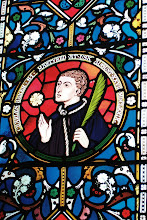
The Martyred Jesuit Provincial, Fr Thomas Whitbread, was beatified by Pope Pius XI on 15th December 1929.
LINKS TO THIS POST:




.JPG)

.JPG)


